
Life in Hungary · Cost of Living
How Much Does It Really Cost to Live in Hungary?

When people first start thinking about spending more time in Hungary—whether it’s for a longer stay, a lifestyle change, or planning ahead for retirement—one question always comes up:
“How much does it actually cost to live in Hungary?”
It sounds like a simple question. But in reality, the answer is layered.
Because the cost of living in Hungary is not just about prices. It’s about how you live, how quickly you adapt, and how well you understand the local way of doing things.
In this article, we go beyond numbers. You’ll get a realistic picture of everyday expenses, but also the less visible factors that can make your life in Hungary either surprisingly affordable—or unexpectedly stressful.
The Big Picture: Is Hungary Still Affordable?
Hungary is often described as one of the more affordable countries in Europe. And compared to Western Europe, that is still largely true.
- Hungary is affordable if you live like a local
- It becomes less affordable if you try to recreate a Western lifestyle
This is especially relevant in the first months, when everything is new, unfamiliar, and often slightly confusing.
Many newcomers spend more at the beginning—not because prices are high, but because they haven’t yet learned where to go, how things work, and what alternatives exist.
Housing: More Than Just Rent
Accommodation will be your biggest monthly expense, and also one of the first challenges you’ll face.
In Budapest, rental prices vary significantly depending on the district:
- City centre apartments are more expensive and often target internationals
- Outer districts offer better value but require some local knowledge
- Smaller cities and towns can be dramatically cheaper
But beyond the rent itself, there are a few important realities:
- Contracts are not always straightforward
- Utility systems can be confusing at first
- Heating costs in winter can vary widely depending on the building
This means that two apartments with the same rent can result in very different total monthly costs.
Understanding what you are signing—and how things function—is just as important as the price itself.
Daily Life: Where Small Costs Add Up
At first glance, everyday expenses in Hungary seem low.
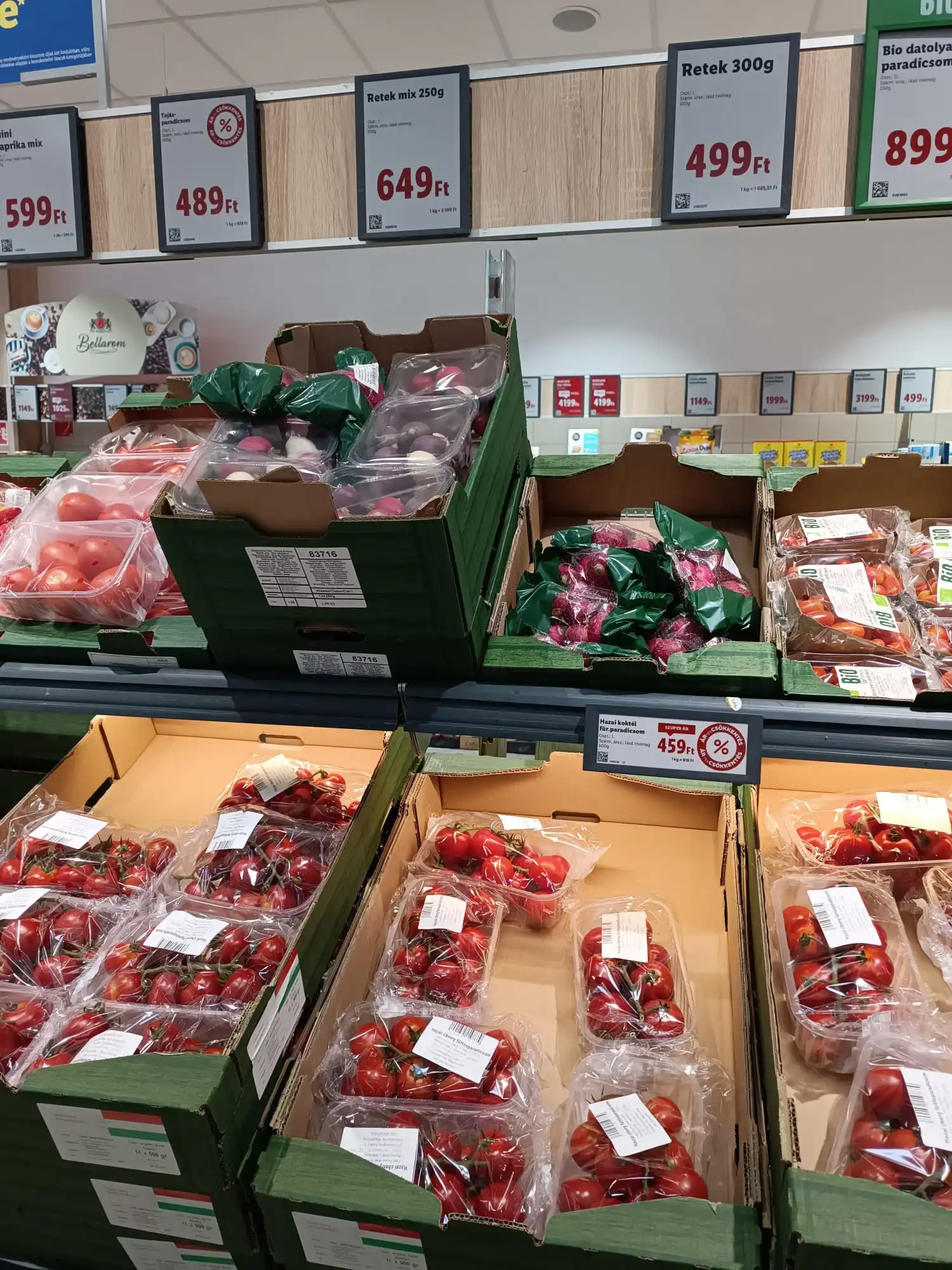
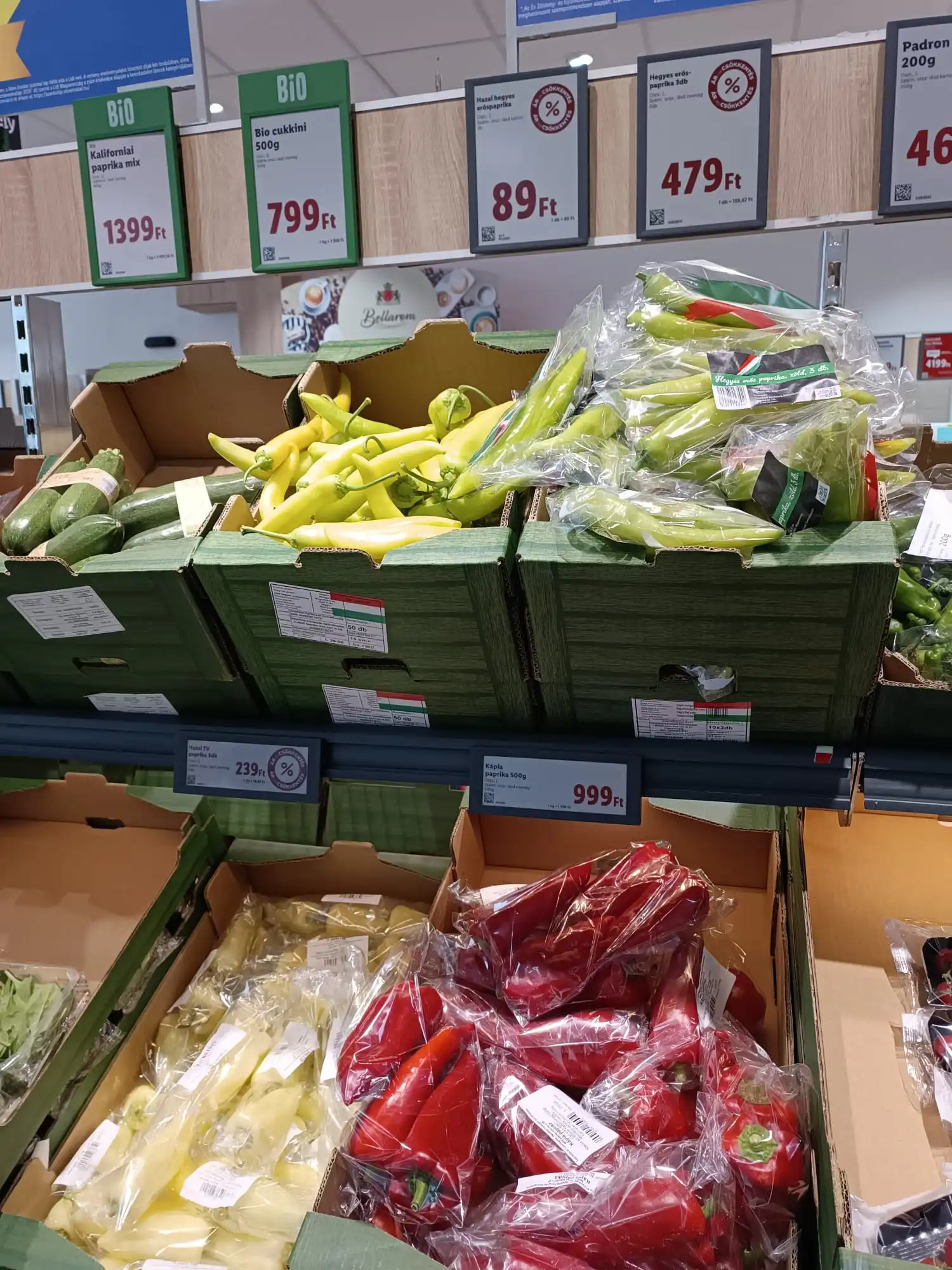
Groceries, local produce, and basic services are generally affordable. But your monthly total will depend heavily on your habits.
For example:
- Shopping at local markets is cheaper than relying on imported products
- Cooking at home can significantly reduce your spending
- Choosing Hungarian brands instead of international ones makes a noticeable difference
At the same time, there is a psychological factor:
In the beginning, many internationals gravitate towards what feels familiar—international shops, certain products, specific cafés. These choices can quietly increase your cost of living without you realising it.
Over time, as you become more comfortable navigating local options, your expenses often decrease naturally.
Eating Out and Social Life: A Question of Balance
Hungary still offers good value when it comes to restaurants and cafés, especially compared to Western Europe.
A daily lunch menu can be very affordable, and even a dinner out is still within reach for most budgets.
However, prices have increased in recent years, particularly in Budapest.
- Eating out occasionally remains accessible
- Making it a daily habit can quickly raise your monthly expenses
The key is balance—and again, local knowledge plays a role. Smaller, less central places often offer better value and a more authentic experience.
Transportation: One of Hungary’s Strengths
Public transportation in Hungary—especially in Budapest—is reliable, extensive, and relatively inexpensive.
For many people, this removes the need for a car entirely.
This is one of the areas where Hungary clearly stands out: you can maintain a high level of mobility at a relatively low cost.
And beyond the financial aspect, it also simplifies your daily life—something that becomes very valuable in your first months.
Healthcare and Administration: The Hidden Learning Curve
One of the most underestimated aspects of living in Hungary is not the cost itself, but the system behind it.
Healthcare, administration, and everyday logistics can feel unfamiliar at first:
- Where do you go for what?
- What is public, what is private?
- What requires registration, paperwork, or appointments?
Private healthcare is widely available and often used by internationals, especially in the beginning, because it is faster and easier to navigate.
But even here, the real challenge is not the price—it is understanding how to access the right service at the right time.
The First Months: Why Your Budget May Be Higher
It is very common for newcomers to spend more during their first months in Hungary.
This is not a failure—it is part of the process.
You are:
- Learning new systems
- Navigating a different language
- Making decisions with limited local knowledge
All of this can lead to:
- Choosing more expensive options
- Paying for convenience
- Making small mistakes that cost money
The good news is that this phase is temporary.
As you gain confidence and understanding, your spending usually stabilises—and often decreases.
A Key Factor Most People Overlook
There is one element that has a surprisingly strong impact on your cost of living in Hungary: your ability to communicate in Hungarian.
Even a basic level of Hungarian can help you:
- Find better-value services and avoid “foreigner pricing”
- Understand contracts, menus, and everyday situations more clearly
- Shop more confidently in local markets instead of relying on expensive alternatives
- Solve problems faster without needing paid help or intermediaries
In other words, learning Hungarian is not just a cultural or intellectual investment—it can also be a practical financial advantage.
Many internationals notice that as their Hungarian improves, their daily life becomes not only easier, but also more cost-efficient.
So, What Is a Realistic Monthly Budget?
While every situation is different, here is a general orientation:
- A simpler lifestyle in a smaller town can be very affordable
- A comfortable life in Budapest requires a moderate budget
- A more international lifestyle naturally comes with higher costs
But the most important takeaway is this:
Your cost of living in Hungary is not fixed—it evolves with your level of integration.
| Expense | Budapest | Larger towns (Debrecen, Szeged, Pécs) |
|---|---|---|
| One-bedroom apartment | 220,000 – 350,000 Ft / month | 140,000 – 220,000 Ft / month |
| Monthly public transport pass | ~9,500 – 10,500 Ft | ~6,500 – 9,500 Ft |
| Coffee (café) | 700 – 1,200 Ft | 500 – 900 Ft |
| Lunch menu (daily menu) | 4,000 – 5,500 Ft | 3,500 – 4,000 Ft |
| Grocery budget (1 person) | 70,000 – 130,000 Ft / month | 60,000 – 110,000 Ft / month |
| Utilities (average apartment) | 25,000 – 50,000 Ft / month | 20,000 – 40,000 Ft / month |
Things to keep in mind
- Rent in Budapest varies a lot depending on the district. Central districts such as V, VI and VII are usually the most expensive, while outer districts offer better value.
- University cities like Debrecen, Szeged and Pécs are generally more affordable than Budapest, although rental prices often increase during the academic year.
- Utility bills depend heavily on the type of heating used and how well the property is insulated. Two similar apartments can have very different monthly costs.
- Grocery prices change regularly due to inflation, so it’s more useful to think in terms of price ranges rather than exact amounts.
Beyond Costs: What Really Makes Life Easier
When people think about living in Hungary, they often focus on numbers.
But in reality, what makes the biggest difference is something else entirely:
- Understanding how things work
- Knowing where to go and who to ask
- Being able to communicate—even at a basic level
- Feeling confident in everyday situations
This is what transforms Hungary from a “cheap place to live” into a place where you can actually feel at home.
Final Thoughts
Hungary can offer a very good quality of life at a reasonable cost—especially if you are open to adapting and learning.
For those who are planning ahead, visiting with a long-term perspective, or already spending their first months here, the key is not just to calculate expenses, but to understand the environment.
Because once you do, daily life becomes smoother, decisions become easier, and your overall experience becomes far more enjoyable.
And often, one of the simplest ways to accelerate this process—and quietly reduce everyday costs—is to start understanding the language that surrounds you.
If you are navigating your first months in Hungary or thinking about spending more time here in the future, having personalised guidance can make a real difference. From practical day-to-day questions to understanding the cultural context—and even the basics of communication—the right support helps you move forward with clarity and confidence.
Your life in Hungary, made simple
From settling-in support to personalised Hungarian language lessons, we help you move forward with clarity and confidence. Let’s talk about your first months here.